


Tietäjä (literally "one who knows") is the main term of a Finnish master of rituals and runosongs. Tietäjät are usually men, but a female tietäjä is not an impossibility or something forbidden.
A tietäjä resembles a shaman. By definition, a shaman goes into a trance, their soul leaving the body and travelling to the Underworld. While runosongs of tietäjät do include these same themes as well, going into a trance is not a requirement of tietäjä, and it doesn't therefore exactly count as "shaman" by definition. A tietäjä is more likely to work with väki, the forces which exist around us and control nature and chance.
So magic basically, yeah. But from the perspective of the world view of a tietäjä, magic isn't like in fantasy where you shoot an energy laser at someone. The force which heals a wound is magic. There force that can keep bears away from attacking cattle is magic. Etc, very mundane things by the end of it. And indeed, a very central role of a tietäjä is being a healer (incl. herbalist), which of course gives them a lot of respect from the community.
A tietäjä performs rituals and sings specific runosongs for instances such as: defending against curses and illnesses, keeping beasts away from cattle, returning lost cattle from the forest, preventing fire from spreading when creating swiddens, bringing rain and wind, and increasing the fertility of fields.
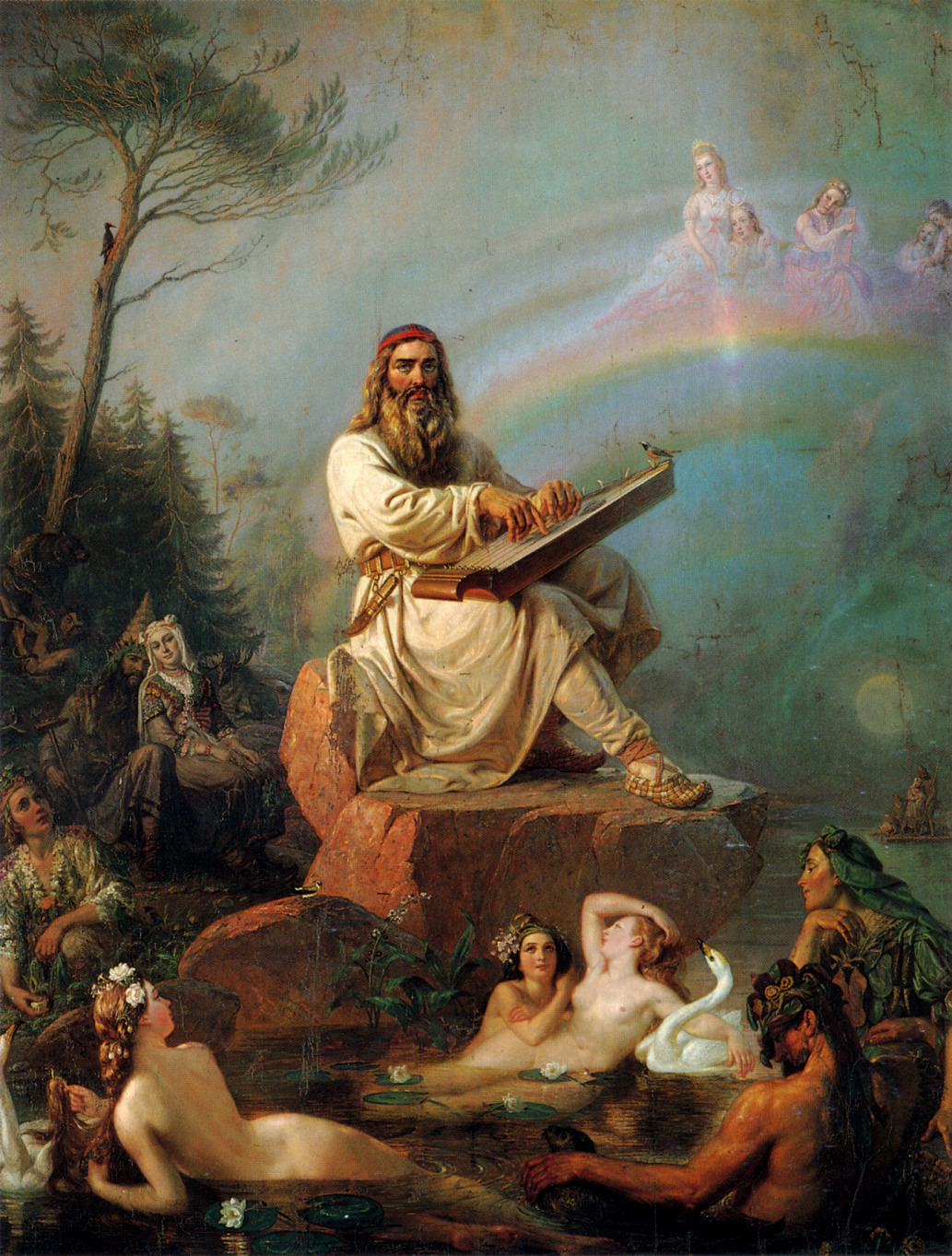
Tietäjät provided a sense of security for people, not only against forces of nature but also in some legal disputes. There are multiple cultural "layers" to the tietäjä culture. The oldest is, of course, shamanistic. Runosongs, on the other hand, were born out of Baltic influence: Finnic and Baltic groups lived in multicultural and -lingual communities for approx. a millenium in the Baltics. The special respect for snakes might also originate from this period. A later yet layer are the things which Christianity brough into the folk tradition with its influence from the state. The European Christian style of controlling the community by creating internal enemies, witches who work with the devil, spread to Western Finland, but not so much to Eastern Finland. Tietäjät were respected as heroic, not demonized as witches. Unfortunately, tietäjät of Finland had to suffer punishments and even death in the hands of Christian Swedish authorities.
For Westerners, the Swedes, Finns were seen as witches. It's not surprising, as for example in Savo, even in the 19th century, there was a runosong incantation for almost everything; the highest concetration of incantations in an area in the world. Sometimes this was beneficial as Forest Finns of Sweden and Norway were feared for their "magic" and left alone. On the other hand, many Finnish and Sámi practitioners of their traditions got executed for witchcraft, mainly in 15th and 16th century Norway and Sweden.
Due to Christian influence, the originally neutral word for a shaman, noita, became to be seen as a negative term for "witch". This is why you can see instances where a tietäjä of one's own village is called, well, a tietäjä, but the tietäjä of an enemy or competing group is called with negative terms like noita or velho.
Sometimes, tietäjät did indeed go into trance-like states, or even trances. In these cases, the common instrument to use with chanting was the kannel or kantele, a type of zither. Tietäjät also used beer as help, until a way stronger type of alcohol, paloviina, was invented and they started using it instead. It is possible that Proto-Uralics used psychedelic mushrooms (*pi̮ŋka) but I have not run into any such descriptions from Finland specifically.
While the practices of a tietäjä are clearly religious, they did not form any system of a "religion" or "church". There was no religious authority. Tietäjät did not have priest-like cultural authority. This keeps the tradition closer to shamanism instead of the practices of many other agrarian cultures. The purpose of the rituals is to give people the peace of mind: I have done all I can to protect myself in this matter, the rest is not up to me anymore. Whether one believes in the existence of one thing or another is irrelevant. Many rituals are also symbolic, first and foremost. Therefore, a tietäjä does not wield the kind of authority of religious control as, for example, priests.
Tietäjät followed the development of medical science and, if learning about eg. healing ointments, made them from ingredients from pharmacies and used them in addition to incantations.
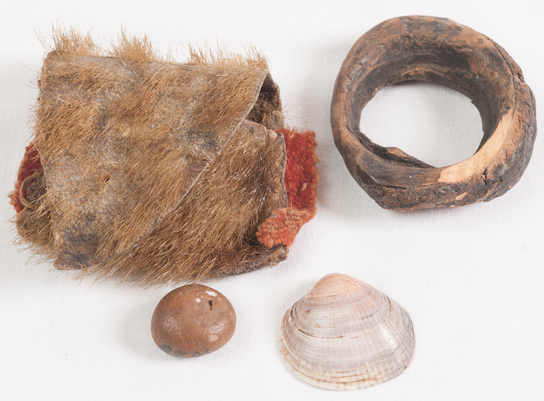
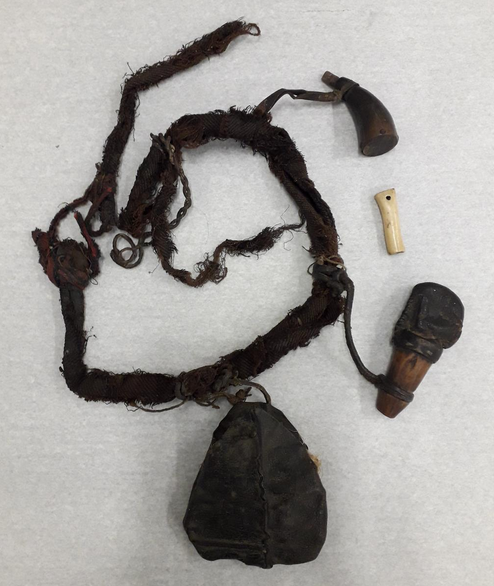
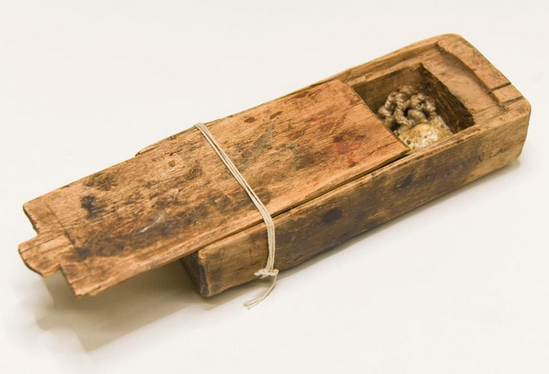
One did not have to be a tietäjä specifically to perform any of these rituals: anyone who knew them could perform them. Tietäjä is simply a term given by the community to a person who knew a lot of them from memory. In that sense, nobody can "become" a tietäjä. The best you can do is learn and memorize thousands of lines of runosongs for different instances, learn to improvise with them a bit (in ways that follow the logic of the cosmology) and learn ways to help people, of course. Other people, if seeing you as someone who knows a lot, could then give you the title of "one who knows".
Usually, being a tietäjä is something that is seen as a thing that people can have a natural affinity for. Those abilities would come visible from a person naturally without trying. It could also be seen a hereditary. Still, there is a lot of tradition explaining that many tietäjät originally worked under mentors they learned their skills from. These teachers included both other Finnish tietäjät, as well as Sámi shamans. This development made specific genetics less important. A tietäjä is a helper of people and does not ask for a payment for their services; they may only accept a gift given to them as "payment".
The practices of a tietäjä do not include energies, crystals, tarot, or anything akin to chakras, or something like that; these are New Age concepts. If they are helpful to you, do what you want it's a free country, of course, but I am simply saying that they are not related to the historical practices of a tietäjä. Tietäjät did also not regularly use shaman drums: the only historical mentions of such we have from Finland is from a person who had, for example, purchased such a drum from a Sámi person.